3000 K
Warm White
A welcoming amber-white glow that enriches clay, wood, aged finishes, and warm pigments.
Available as a tested alternative for clay, wood, aged finishes, and warm pigments when a warmer presentation is preferred.
About ViswaRoop
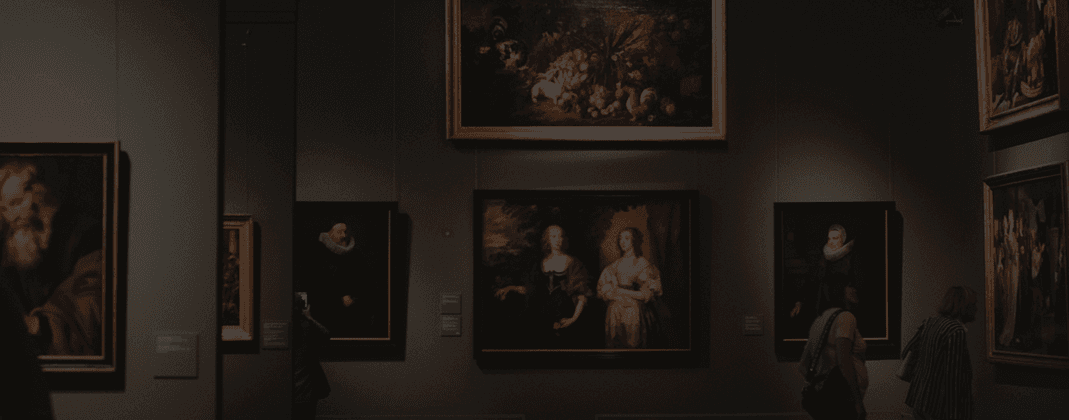
ViswaRoop brings cultural heritage into a multilingual digital space where people can explore, study, contribute, curate, license, and collect artifacts through images, video, interactive 3D, and VR.
16
Supported Languages
5
Curated Galleries
3
Media Experiences
5
Lighting Directions
Our Mission
ViswaRoop reimagines the museum as a participatory digital space. Visitors discover cultural objects beyond physical boundaries, while artists, archaeologists, and curators can contribute documented digital works for review and responsible public presentation.
The platform connects preservation with sustainable participation. Approved contributors can publish licensed work, institutions can present collections in context, and researchers or collectors can acquire digital artifacts under clearly stated terms.
The Digital Experience
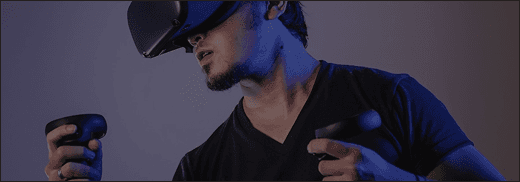
Move from an artifact’s story to its photograph, video, or interactive model, then enter a browser-based virtual exhibition with contextual plaques and museum staging. Lighting controls help reveal the qualities that matter for each material and making tradition.
The experience works on the web and supports immersive devices where browser and hardware capabilities allow it.
Try VR NowResearch Support
ViswaRoop is funded by the Indian Council of Social Science Research (ICSSR). This support advances the project’s work in cultural documentation, accessible digital interpretation, and immersive public engagement with heritage.
The People Behind ViswaRoop
ViswaRoop brings together cultural research, technology, immersive design, commerce, and visual identity to make heritage accessible and sustainable in virtual space.
Dr. Amrita Bhattacharjee
Principal Investigator
Ms. Krishna Goala
Researcher
Mr. Aryan Kesarwani
Website Developer
Mr. R. Sabarish Raghav
UI and VR Designer
Ms. Aisha Liyana
UI and VR Designer
Ms. Arpita Leela Thomas
UI and VR Designer
Ms. Trinetra Sathish
UI and VR Designer
Ms. Ridhima Maurya
Logo Designer
Process
Eligible artists, archaeologists, and curators upload a display image with a supported 3D model or video, or optionally begin from three reference photographs.
Add its story, material, origin, collection, license, and price, then choose lighting suited to how the object should be studied and displayed.
A curator evaluates the media and context, then approves the submission, requests focused changes, or rejects it with an explanation.
Approved work becomes discoverable in the museum and, when listed, can be licensed through the marketplace for study, presentation, or permitted commercial use.
Museum Lighting
A key part of ViswaRoop is our project's tested lighting recommendations. We assign a suitable light colour temperature to each artifact domain so its material, colour, carving, and surface detail remain clear in the digital exhibit.
3000 K
A welcoming amber-white glow that enriches clay, wood, aged finishes, and warm pigments.
Available as a tested alternative for clay, wood, aged finishes, and warm pigments when a warmer presentation is preferred.
4000 K
A balanced, neutral-white light that preserves colour while keeping metalwork and painted detail crisp.
Best suited in our museum for
5000 K
A clean daylight simulation that reveals pale stone, marble veining, inscriptions, and subtle surface variation.
Best suited in our museum for
Focused · Dramatic · Sculptural
A focused beam from above and one side creates clear highlights and directs attention to a selected feature.
Vertical · Contoured · Grounded
Light falling from above defines upper contours while grounding the artifact with a controlled shadow.
Even · Legible · Documentary
Even illumination from the viewer’s direction preserves colour and makes form, pattern, and painted detail easy to read.
Low Angle · Textured · Revealing
A low grazing beam stretches shadows across a surface to reveal carving, weave, inscriptions, folds, and tool marks.
Silhouette · Translucent · Atmospheric
A source behind the artifact outlines its silhouette and can reveal translucency in glass, resin, or thin material.